If you're looking for a handwritten font that feels personal and warm without being too messy, Child Font might be exactly what you need. This sweet, cute typeface sits right between playful and elegant, making it a solid choice for wedding invitations, custom stationery, or social media graphics. Its clean but charming strokes are easy to read, which is a practical advantage when you want a hand-lettered look that stays legible at small sizes.
What makes Child Font work for wedding invitations?
Wedding invitations need to feel special but still clear. Child Font’s rounded letters and consistent baseline give it a friendly, approachable feel without sacrificing readability. The slight irregularity that comes from a handwritten style adds a human touch without looking chaotic. This balance makes it suitable for everything from the bride and groom’s names to the reception details.
If you pair it with a simple serif or sans-serif body font, you can create contrast while keeping the overall design cohesive. For example, use Child Font for headings and a clean sans-serif like Open Sans for the main text. Many designers also like to use it for envelope addressing because the letters are clear enough for postal sorting yet personal enough for a handmade feel.
How does Child Font compare to other script fonts?
Not all handwritten fonts are created equal. Some are too narrow or too decorative to use in long passages. Child Font stays readable because each letter is drawn with consistent spacing and moderate weight. It’s not a calligraphy script with dramatic swashes it’s a casual, everyday handwritten style that works across mediums.
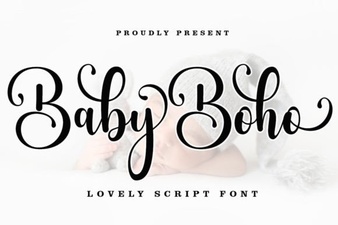
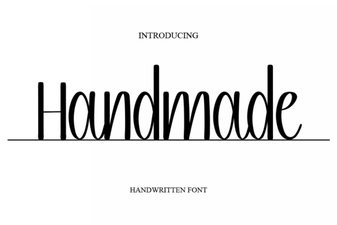
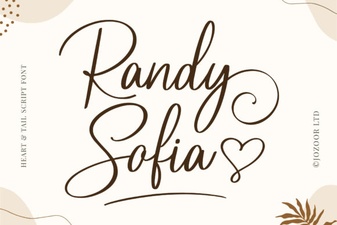
If you’re experimenting with different looks, the baby boho font collection offers a more whimsical, delicate alternative, while the children’s school font category has bolder, more playful letterforms. For a grittier, handmade aesthetic, you can browse the handmade font library or try the Randy Sofia font for a slightly edgy script. And if your project needs high contrast and a modern look, the black sample font might be a better match.
Can I use Child Font for print-on-demand products?
Yes, and it’s actually a smart choice. Print-on-demand products like T‑shirts, mugs, and tote bags often rely on a single design element to catch attention. A sweet, handwritten font like Child Font can carry the whole message without needing extra illustrations. Its moderate weight works well on apparel because thin strokes can get lost in the printing process, while Child Font’s lines are thick enough to hold up during production.
For social media posts, you can layer it with a simple background texture or a photo. The font’s soft curves pair nicely with floral elements or pastel color palettes. Small business owners who create their own marketing materials will appreciate that Child Font looks polished without requiring advanced design skills.
Tips for getting the most out of handwritten fonts
Handwritten fonts can feel overwhelming if you use them everywhere. Here are a few practical guidelines:
- Use it for short phrases headlines, quotes, or single words work best. Long paragraphs are harder to read in cursive-like styles, but Child Font’s clear letterforms make it one of the more readable options.
- Pair it with a neutral font a simple sans-serif or a light slab serif keeps the design balanced. Avoid pairing two handwritten fonts together unless you really know what you’re doing.
- Adjust letter spacing handwritten fonts often benefit from slightly increased tracking (letter-spacing). This improves readability and gives the text room to breathe, especially on digital screens.
- Test it at small sizes before committing to a design, view the font at the size it will actually be used. Child Font holds up well at 12–14pt for body text, but always check.
- Use it in themed projects wedding invites, baby shower invites, birthday cards, and social media quotes are natural fits. It also works for children’s book covers or product labels that need a gentle, friendly tone.
A quick checklist before you download Child Font
- Decide where you’ll use it print, digital, or both.
- Check the license for commercial use if you’re selling products.
- Pair it with a complementary font (try a clean sans-serif like Lato or Montserrat).
- Test readability at your target size especially for small items like stickers or tags.
- Save a backup color version sometimes a white or light gray treatment works better than black on certain backgrounds.
Child Font is a versatile, easy-to-use handwritten option that won’t complicate your workflow. Start with one project maybe a simple social media quote or a thank-you card and see how it fits your style.
Explore Design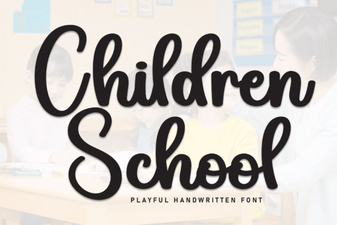 Choosing the Perfect School Font for Kids
 Crafting with Boho Fonts for Baby Designs
 Craft Beautiful Projects with Handmade Fonts
 Randy Sofia Font: Creative Web Design & Free Downloads
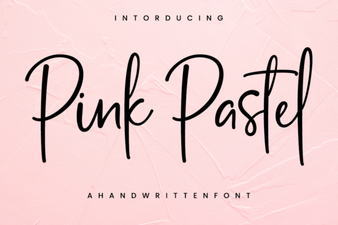 Pastel Fonts: Creative Designs & Project Inspiration
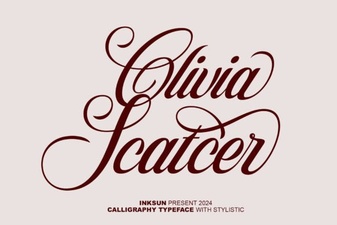 Olivia Font: Creative Design & Display Projects